
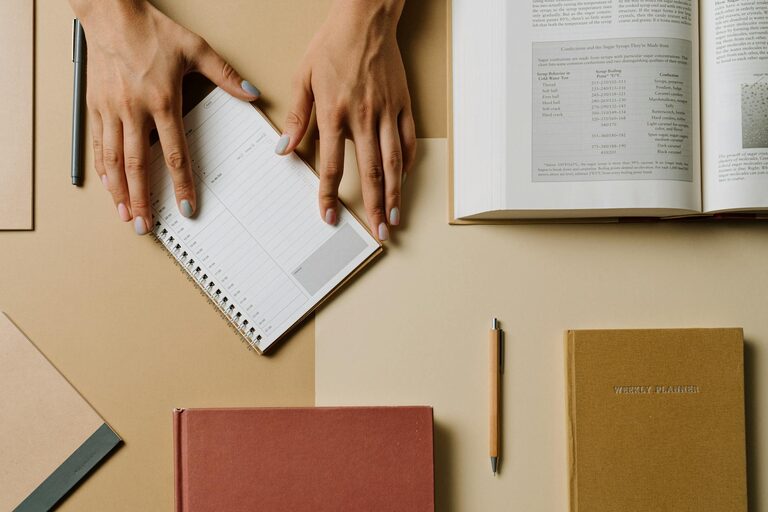
Choosing the perfect notebook might seem like a small decision, but it can have a big impact on your productivity and creativity. Whether you’re a student, professional, artist, or journal enthusiast, having the right notebook encourages consistent use. If you’ve ever bought a notebook only to let it sit unused, this guide is for you. Let’s explore how to select a notebook you’ll actually want to pick up and write in.
Why the Right Notebook Matters
A notebook is more than just paper bound together. It’s a space for your thoughts, plans, sketches, and ideas. Using a notebook that suits you helps build a habit of writing, organizes your thoughts better, and even boosts creativity. Choosing the wrong one, on the other hand, can make writing feel like a chore.
—
Step 1: Identify Your Purpose
Before buying, ask yourself what you intend to use the notebook for.
– Journaling or Reflective Writing: You might want a notebook with thick, smooth paper and a pleasing cover.
– Note-Taking or Study: Prioritize notebooks with lines or grids to keep writing neat.
– Sketching or Doodling: Choose notebooks with unlined or dotted pages and sturdy paper.
– Planning and To-Do Lists: Consider notebooks with built-in sections or future-dated pages.
Knowing your purpose helps narrow down your choices.
—
Step 2: Decide on the Size That Fits Your Lifestyle
Notebooks come in many sizes. Think about where you’ll be using it most:
– Pocket-sized (A6 or smaller): Great for on-the-go jotting but might feel cramped.
– Medium (A5): Popular size; portable yet offers enough space for detailed notes.
– Large (A4): Great for heavy writing, drawing, or multiple notes per page but less portable.
Choose a size you’ll feel comfortable carrying and using regularly.
—
Step 3: Choose the Right Paper Type
The quality and type of paper influence how enjoyable writing or drawing feels.
– Paper Thickness (GSM): Thick paper (higher GSM) prevents ink bleed-through. Ideal for fountain pens and markers.
– Texture: Smooth paper suits writing, while more textured paper is preferred for sketching.
– Color: White is standard, but cream or pastel-colored paper can be easier on the eyes.
If possible, test the paper with your preferred writing tools before buying.
—
Step 4: Pick Your Preferred Page Layout
Page layouts affect how you organize information.
– Ruled Lines: Help keep writing neat; best for notes and journaling.
– Grid or Graph: Useful for charts, diagrams, or bullet journaling.
– Dotted: Offers flexibility for writing and sketching; popular with planners.
– Blank: Ideal for artists and free thinkers who prefer no constraints.
Consider how you like to structure your notes or sketches.
—
Step 5: Consider Binding and Cover Style
The notebook’s construction can impact usability and durability.
– Binding:
– Spiral: Allows the notebook to lie flat or fold back easily.
– Sewn or Thread-bound: Usually more durable but may not lay completely flat.
– Glue-bound: Often cheaper but can be less sturdy.
– Cover:
– Hardcover: Provides protection; good for carrying around.
– Softcover: More flexible and lightweight but less protective.
– Leather or Faux Leather: Stylish and durable; adds a touch of luxury.
Choose according to how and where you plan to use it.
—
Step 6: Pay Attention to Extras and Features
Some notebooks come with helpful additional features that can enhance your experience.
– Page Numbers and Index: Useful for quickly locating notes.
– Ribbon Bookmarks: Helps mark your current page.
– Pocket Folders: Handy for storing receipts or loose papers.
– Perforated Pages: Easy to tear out notes.
– Elastic Closure: Keeps your notebook secure on the move.
Think about what extras matter to you.
—
Step 7: Set a Realistic Budget
Notebooks come in a wide price range. High quality often costs more, but doesn’t guarantee your use. Balance cost with features and quality that encourage writing regularly. Sometimes investing in a better notebook motivates you to use it more.
—
Bonus Tips: How to Make Using Your Notebook a Habit
Once you have your notebook, here are ways to keep it from gathering dust:
– Keep it Visible: Put it somewhere you see often.
– Set Writing Goals: Write a page a day or jot down 3 things you’re grateful for.
– Make it Personal: Decorate with stickers or personalize the cover.
– Pair it with a Favorite Pen: Enjoying your writing tool adds motivation.
– Review and Reflect: Regularly look back at what you’ve written to stay engaged.
—
Conclusion
Choosing a notebook you’ll actually use comes down to matching the notebook’s qualities with your personal habits and needs. By considering purpose, size, paper type, layout, binding, features, and budget, you can find a notebook that feels inviting and practical. When your notebook fits you well, it becomes a reliable companion—and that’s when the magic of writing happens.
Start by thinking about how you like to write, sketch, or plan, then go find your perfect notebook. Happy writing!
