
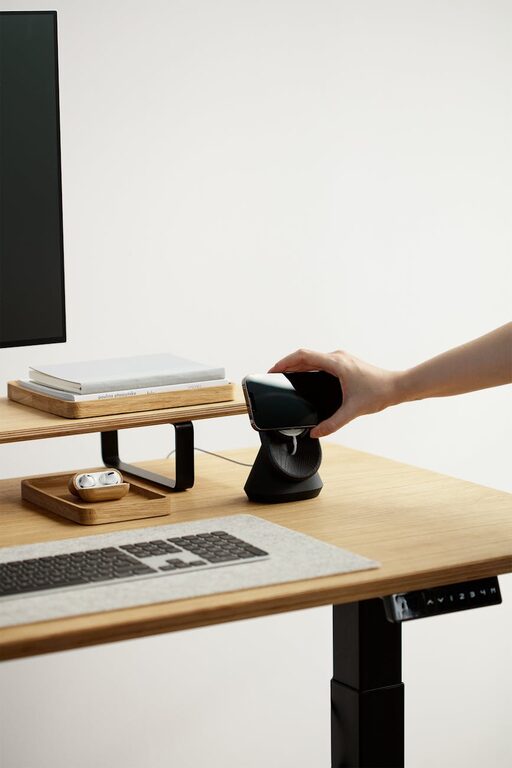
Creating a relaxing home workspace is essential for anyone who spends several hours working remotely. A well-designed area not only helps improve focus and efficiency but also reduces stress and promotes a healthier work-life balance. Whether you have a dedicated room or a small corner in your living space, you can transform it into a calm and comfortable environment with a few thoughtful changes.
In this post, we’ll explore practical steps to create a relaxing home workspace that inspires productivity while keeping you at ease.
Why a Relaxing Workspace Matters
Your home workspace plays a major role in your daily routine. An organized, serene environment can:
– Increase concentration and focus
– Reduce feelings of stress and anxiety
– Encourage better posture and comfort
– Set clear boundaries between work and personal life
A cluttered or noisy space can cause distractions and make it harder to complete tasks. Investing time in arranging a calming workspace sets you up for success.
Choose the Right Location
Consider Natural Light
If possible, position your desk near a window to take advantage of natural light. Sunlight helps regulate your mood and supports alertness. Avoid glare on your computer screen by placing your desk perpendicular to the window or using sheer curtains.
Minimize Noise
Find a quiet spot where household noise is minimal. If background sounds are unavoidable, try using noise-canceling headphones or a white noise machine to improve concentration.
Think About Space
Ensure there’s enough room for your work essentials and some personal touches. If space is limited, consider wall-mounted shelves or a foldable desk to maximize the area.
Invest in Comfortable Furniture
Ergonomic Chair
Choose a chair that supports your back and encourages good posture. Look for adjustable height and lumbar support to reduce the risk of discomfort during long hours.
Desk Height and Size
Select a desk that fits your height and allows for comfortable arm placement. Enough surface area means you can keep essential items within easy reach while maintaining a clean workspace.
Footrest and Accessories
If your feet don’t touch the ground comfortably, add a footrest. Wrist rests for the keyboard and mouse can also prevent strain.
Use Soothing Colors and Decor
Color Choices
Colors influence mood. Soft, neutral tones like light blues, greens, or warm grays can create a peaceful atmosphere. Avoid overly bright or distracting colors for your main workspace.
Add Plants
Indoor plants improve air quality and introduce a touch of nature. Small potted plants or succulents are easy to care for and visually calming.
Artwork and Personal Items
Incorporate personal touches such as framed photos or inspirational quotes. Just be sure to keep decorations minimal to avoid clutter.
Organize Efficiently
Declutter Regularly
Keep only the essentials on your desk. Use drawers or storage boxes to hide away supplies you don’t use frequently.
Use Desk Organizers
Invest in organizers for pens, papers, and cables. This keeps everything orderly and easy to find, reducing frustration.
Digital Organization
Maintain a tidy computer desktop and use folders for files. Closing unused tabs and apps can minimize digital distractions.
Control Lighting and Air Quality
Adjustable Lighting
Combine natural light with soft artificial lighting. A desk lamp with adjustable brightness helps reduce eye strain, especially in the evening.
Fresh Air
If possible, open a window periodically to refresh the air in your workspace. Clean air helps you feel more alert.
Temperature Comfort
Keep the room at a comfortable temperature. Use a fan or heater as needed to maintain a cozy environment.
Incorporate Relaxation Techniques
Break Reminders
Set timers or use apps to remind yourself to take short breaks every hour. Stretching or a quick walk recharges your mind and body.
Calming Scents
Consider using essential oils like lavender or eucalyptus in a diffuser to create a soothing ambiance.
Mindfulness Corner
If space allows, include a small area with a cushion or chair for brief meditation or deep breathing exercises.
Final Thoughts
Designing a relaxing home workspace doesn’t require a complete makeover or expensive furniture. Small, intentional changes focused on comfort, organization, and atmosphere can significantly improve your work-from-home experience. Start by assessing your current setup and incorporate these tips step by step to create a space where productivity and calm coexist.
Remember, your workspace should work for you—feel free to personalize it to match your habits and preferences. When your environment supports your well-being, you’ll find it easier to concentrate and enjoy your workday.
—
Creating a calm, efficient home workspace is a worthwhile investment in your productivity and happiness. Try these ideas today and notice the difference a relaxing workspace can make!
