
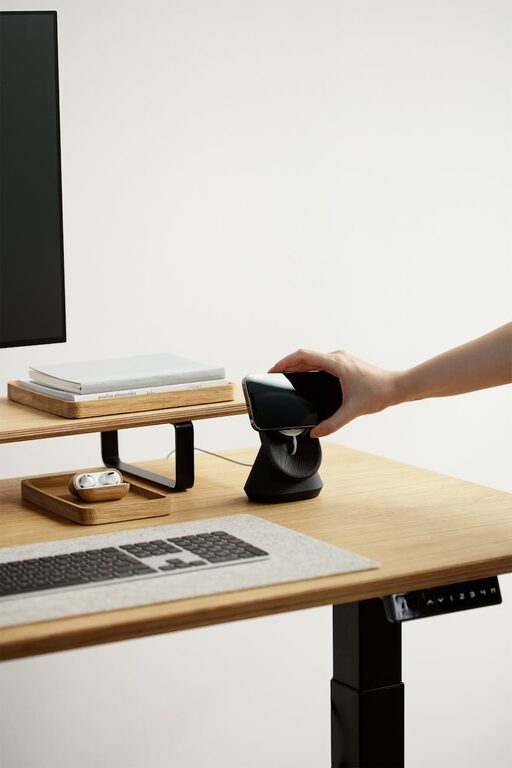
Creating a relaxing home workspace is essential for anyone who spends time working from home. A well-designed environment not only helps you stay focused but also reduces stress, making your workdays more pleasant. Whether you’re a freelancer, remote employee, or student, these tips will help you transform your space into a calm and productive area.
Why a Relaxing Workspace Matters
When your workspace feels cluttered or uncomfortable, it can increase anxiety and decrease motivation. On the other hand, a soothing area encourages concentration and creativity. The goal is to create a balance between comfort and functionality.
Step 1: Choose the Right Location
Selecting the best spot for your home workspace is the foundation for success.
– Natural Light: Try to find a space near a window. Natural light improves mood and reduces eye strain.
– Quiet Area: Choose a quiet corner or room where distractions are minimal.
– Dedicated Space: If possible, set aside a specific area just for work. This helps mentally separate work time from leisure.
Step 2: Invest in Comfortable Furniture
Your furniture directly impacts how comfortable and relaxed you feel during long work sessions.
– Ergonomic Chair: A supportive chair with adjustable height and lumbar support reduces back pain.
– Desk at Proper Height: Your desk should allow your arms to rest comfortably while typing.
– Footrest: Consider a small footrest if your feet don’t touch the ground.
Step 3: Optimize Lighting
Besides natural light, good lighting is key to avoid eye fatigue.
– Desk Lamp: Choose one with adjustable brightness and color temperature.
– Avoid Glare: Position screens to minimize reflections and bright spots.
– Soft, Warm Light: Use bulbs that emit a softer, warmer hue for a cozy atmosphere.
Step 4: Declutter and Organize
A tidy workspace feels less stressful and helps concentration.
– Minimal Essentials: Keep only necessary items on your desk.
– Storage Solutions: Use drawers, shelves, and organizers to hide away papers and supplies.
– Regular Cleaning: Spend a few minutes daily to tidy up.
Step 5: Add Personal and Natural Touches
Small personal touches can make your workspace more inviting.
– Plants: Indoor plants can improve air quality and add calming greenery.
– Artwork or Photos: Choose images that inspire or relax you without being distracting.
– Aroma: Consider subtle scents like lavender or eucalyptus with a diffuser to promote relaxation.
Step 6: Use Technology Wisely
Technology should support your work, not add to the stress.
– Quality Equipment: Invest in a good keyboard, mouse, and headphones to increase comfort.
– Cable Management: Use clips, ties, or a cable box to keep cords neat.
– Break Reminders: Use apps or timers to remind you to stretch and rest your eyes.
Step 7: Create a Routine to Separate Work and Relaxation
Mental boundaries improve balance and reduce burnout.
– Set Work Hours: Define your start and end time.
– Prepare Your Space: Spend a few minutes organizing your desk before starting work.
– End-of-Day Ritual: Close your laptop, tidy up, and turn off work-related notifications.
Bonus Tips: Sound and Temperature Control
– Sound: Use noise-canceling headphones or play soft background music or white noise to mask distractions.
– Temperature: Keep your workspace comfortably cool or warm to avoid discomfort.
Final Thoughts
Building a relaxing home workspace takes a bit of planning, but the benefits are worth it. By focusing on comfort, organization, and personal touches, you can create a space that helps you stay productive and calm throughout your day. Start small, experiment with what works best for you, and enjoy your new work environment!
