
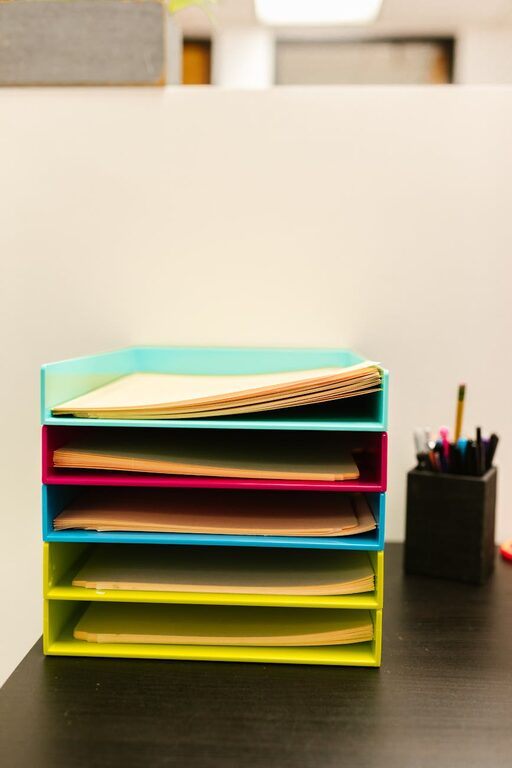
Having too much paper around the house can quickly make things feel chaotic and overwhelming. From mail and bills to receipts and schoolwork, paper clutter accumulates before you know it. The good news is that managing paper clutter doesn’t have to be difficult or time-consuming. With a few simple habits and smart storage solutions, you can reduce paper piles and maintain a cleaner, more organized home.
In this post, we’ll explore practical strategies to cut down on paper clutter and keep your household running smoothly.
Why Paper Clutter Happens
Before diving into solutions, it helps to understand why paper clutter builds up:
– Incoming mail and documents: Daily mail, bills, flyers, and notices add up quickly.
– Multiple paper piles: Without a designated spot, papers get scattered around the house.
– Lack of routine: Paper may pile up if there’s no regular system for sorting or disposing of it.
– Sentimental items: Keeping every card, note, or receipt can lead to excess clutter.
By addressing these causes, you can create lasting habits to reduce paper buildup.
1. Sort and Toss Regularly
One of the most effective ways to minimize paper clutter is to handle incoming papers immediately.
– Create a “Command Center”: Designate one place for all incoming papers, like a tray or wall organizer near your home’s entrance.
– Sort daily or weekly: Quickly separate papers into categories such as action needed, to file, recycle, or shred.
– Recycle or shred promptly: Don’t let unwanted papers linger; dispose of them as soon as possible.
Regular sorting ensures paper doesn’t accumulate and helps you stay on top of important documents.
2. Go Digital Whenever Possible
Reducing paper starts with choosing digital options over paper when available.
– Switch to e-billing: Many utility companies and service providers offer paperless billing.
– Scan important documents: Use a scanner or smartphone app to create digital copies of receipts, warranties, and forms.
– Store documents securely: Organize scanned files in clearly labeled folders on your computer or cloud storage.
– Use digital note-taking: Apps like Evernote or Google Keep reduce the need for paper notes and lists.
Going digital cuts down on new paper and makes it easier to find and share documents.
3. Limit What You Keep
Not every piece of paper needs to be saved. Be selective about what you keep.
– Establish criteria: Keep papers necessary for taxes, warranties, banking, or important records.
– Set time limits: For example, keep some documents for a year, and shred them afterward if no longer needed.
– Create a “maybe” folder: Keep doubtful papers separate and review them before deciding to store or discard.
Reducing what you save helps keep filing systems manageable.
4. Use Efficient Storage Solutions
Clutter is easier to manage when you have a place for everything.
– File folders and boxes: Use labeled folders by category, date, or purpose.
– Binders with sheet protectors: Organize things like school papers, receipts, or manuals in binders.
– Accordion folders or expanding files: Great for handling documents that come in regularly, such as bills.
– Desktop trays and magazine holders: Useful for organizing smaller paper piles on your desk.
Choose storage options that suit your space and daily routines.
5. Organize Mail and Bills Immediately
Mail is a major source of paper clutter. Handling it right away can prevent piles from forming.
– Sort mail as soon as it comes in: Recycle junk mail, set aside bills and important documents.
– Schedule a weekly time: Set a consistent day to pay bills and file documents.
– Use a bill organizer: Keep bills and statements in a dedicated folder until they are paid.
Prompt attention keeps mail clutter under control and avoids missed payments.
6. Create a Paperwork Routine
Habits are key to lasting clutter control.
– Establish set times for paper tasks: For example, sort mail daily and file paperwork weekly.
– Involve family members: Encourage everyone to put papers in the right place.
– Keep supplies handy: Have a shredder, recycling bin, and folders where you can easily access them.
A consistent routine helps maintain order over time.
7. Repurpose or Donate Unused Paper Items
Some papers don’t need to be thrown away.
– Use scrap paper: Keep blank sides of used paper for notes or lists.
– Donate unused notebooks or stationery: Schools or community centers may welcome extras.
– Recycle creatively: Use paper scraps for crafts or wrapping material.
Finding new uses for paper helps reduce waste.
Conclusion
Reducing household paper clutter is achievable with a combination of sorting, digitizing, selective saving, and smart storage. By creating simple routines and being mindful of what paper enters and stays in your home, you can enjoy a tidier, more peaceful living space. Start with small changes today, and you’ll notice the difference in no time!
